The History of Indio Gigante
The Indio Gigante breed originated in Brazil, developed by poultry breeders who selectively crossed large gamefowl lines over many generations. The goal was to create a bird that combined exceptional size, strong structure, and an upright, athletic presence. Unlike standardized commercial breeds, Indio Gigante were shaped through focused selection rather than formal breed standards, allowing breeders to emphasize height, frame, and overall impact.
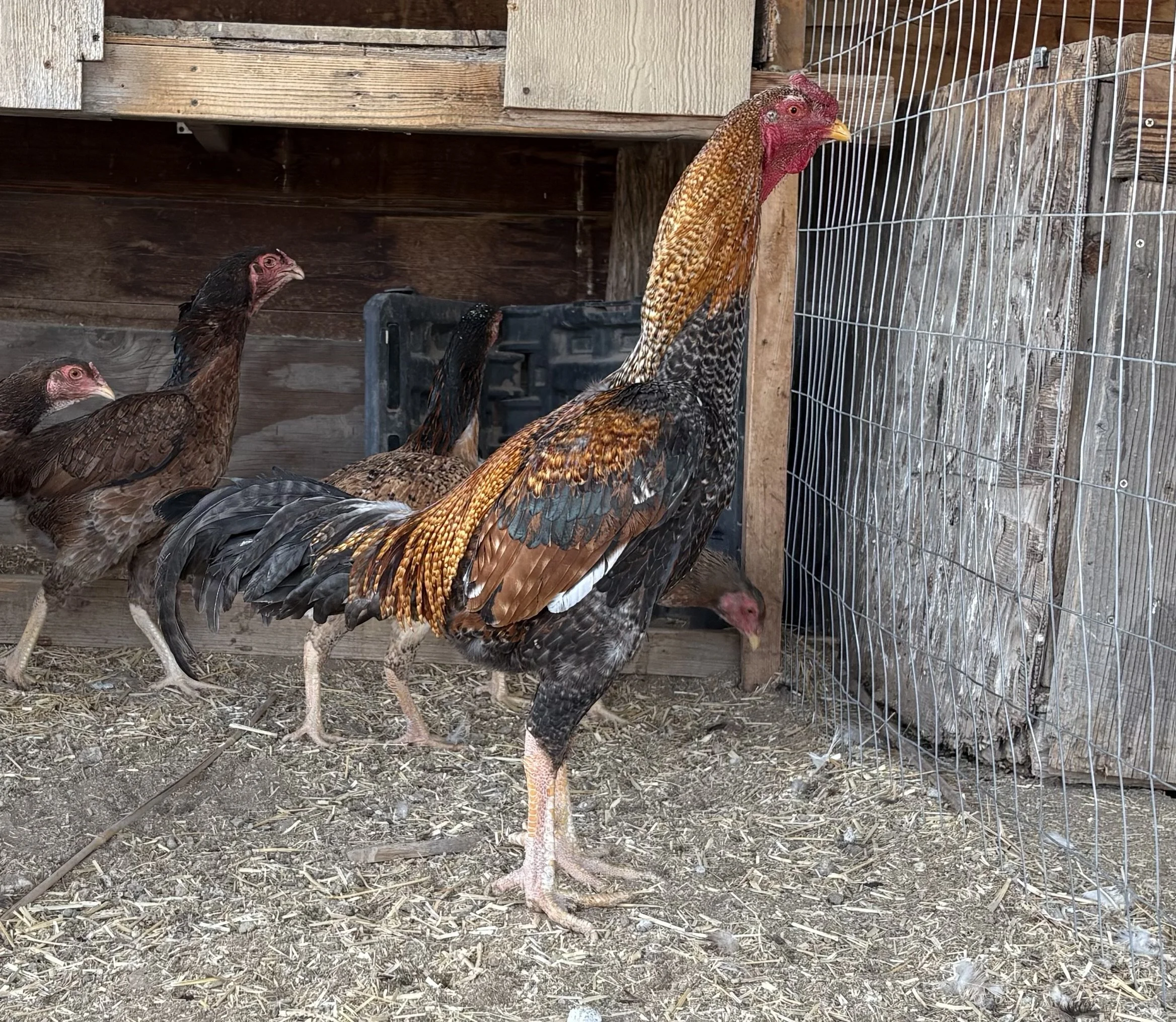
Over time, dedicated breeders refined the breed by carefully selecting only the largest and most structurally correct birds for continued breeding. This process helped establish the Indio Gigante as one of the largest known chicken types in the world, with roosters often standing significantly taller than conventional poultry breeds.
Because the breed was developed outside of traditional poultry registries, its early history is rooted in working breeder programs rather than formal documentation. This has contributed to some variation in type, but also to its uniqueness and continued development among serious breeders today.
In recent years, Indio Gigante have gained international attention, particularly in the United States, where breeders have imported foundation stock and continued selective breeding programs. The focus today remains on improving consistency in structure, health, and type while maintaining the breed’s defining characteristic—its impressive size and commanding presence.
At High Acres Indio Gigante, we continue working within this tradition of selective breeding, using established imported bloodlines and strict selection standards to maintain quality and improve our flock over time.
Incubation Guide for Indio Gigante Hatching Eggs
Indio Gigante eggs should be incubated using standard large fowl settings. For best results, set your incubator to 99.5°F (forced air) or 100–101°F (still air) with consistent temperature throughout the incubation period.
Maintain humidity around 45–55% for the first 18 days, increasing to 65–70% during lockdown. Eggs should be turned at least 3–5 times per day (or use an automatic turner) until day 18, when turning should stop.
Because Indio Gigante are a larger breed, their eggs may benefit from slightly longer incubation times than standard chickens. Expect hatch times around 21–23 days, depending on your incubator conditions and environmental factors.
Allow eggs to rest upright (pointed end down) for 12–24 hours before setting if they have been shipped. This helps stabilize the internal contents after transit.
Keep in mind that hatch rates can vary due to handling during shipping and incubation conditions. We recommend using a calibrated thermometer and hygrometer, as small fluctuations can significantly affect results.
How to Raise Indio Gigante Chicks
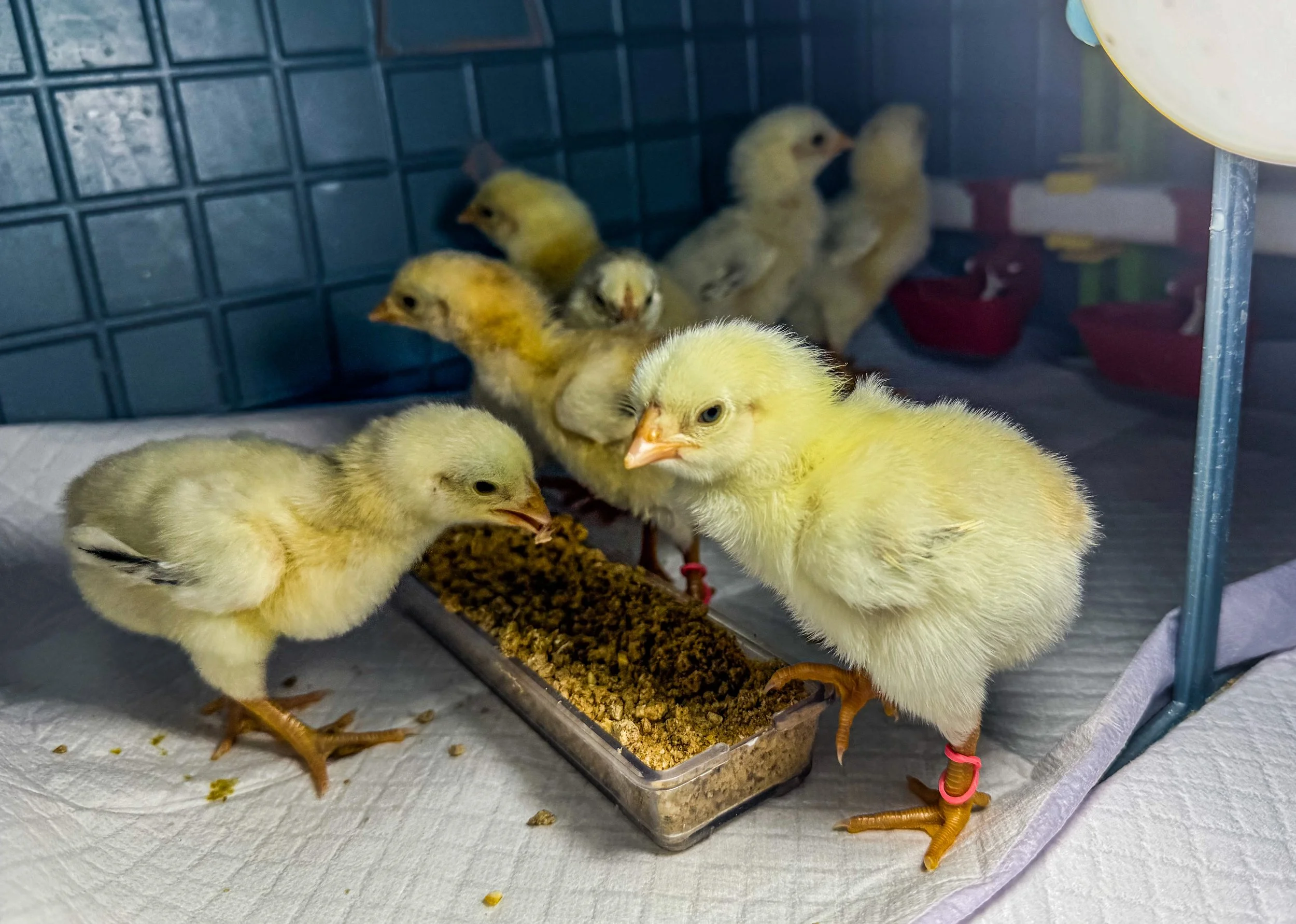
Start chicks on a higher-protein chick starter (20–22%) to support the early development needs of Indio Gigante. We have found that this breed benefits from slightly elevated protein levels during the brooding phase to help establish strong early growth.
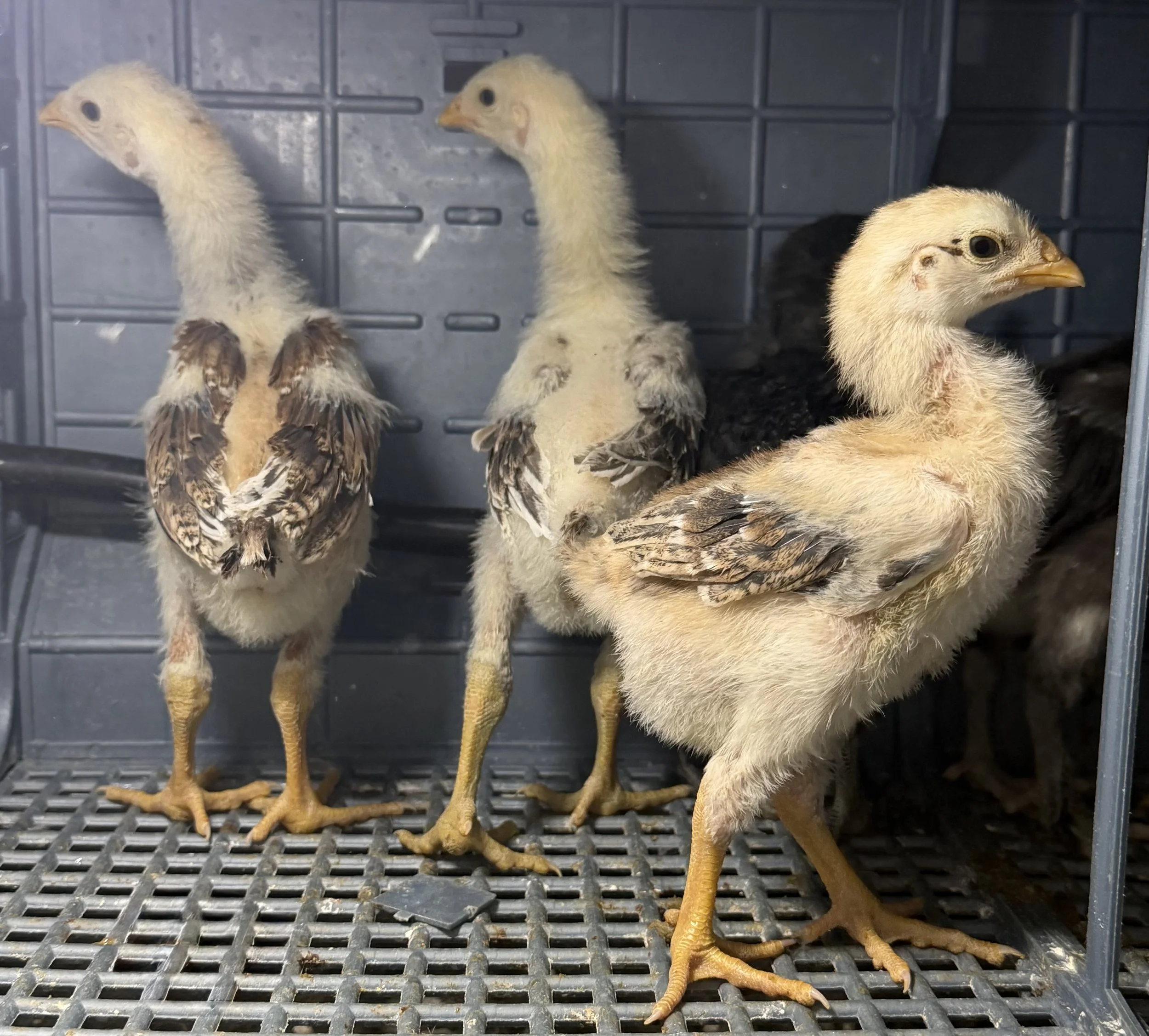
As chicks grow, transition to a grower feed (18–20% protein) around 6–8 weeks of age. This supports steady frame development and muscle growth while maintaining balance in large-breed structure.
Once birds begin maturing, move to a developer or breeder feed (16–18% protein) depending on condition and breeding goals. The focus at this stage should shift toward maintaining structure, health, and long-term breeding performance rather than rapid growth.
We’ve found that consistent access to quality feed with slightly higher protein levels—combined with adequate space and movement—helps Indio Gigante develop strong frames and overall condition. However, balance is important, and growth should always be steady rather than rushed.
Clean water, dry housing, and room to move are just as important as feed formulation in producing well-structured birds.